Obey and Honor Your Parents

“Children, obey your parents in the Lord, for this is right” (Ephesians 6:1).

Yup! That’s right! Children should obey their parents for this is right. Amen! Amen!

When adults/parents read this verse, we automatically think this verse doesn’t pertain to us as we are parents/adults that our kids ought to obey and honor. We’re convinced that this verse is talking to children. You know, kids. Like, little people.

But, what if I were to tell you that this would be an incomplete understanding of this verse?

I am fifty three-years-old. To my children and their friends, I am ancient. But, when I go home to mom and dad’s house, I’m still their child. In fact, I will never stop being their child.

While the truth of this verse certainly applies to kiddos and teenagers, it absolutely applies to adult children of all ages.

So, if you are blessed enough to have living parents, how can you obey and honor them today? What can you do to let your parents know how much you love them, that because of Christ, you choose to honor them?

If you no longer have living parents, you are not off the hook. Their legacy still continues through you. How can you honor and obey your parents today? Because of what God has done for you in Christ, what can you do to honor the legacy of your parents?

Children, obey your parents in the Lord, for this is right.
How to Read the Bible

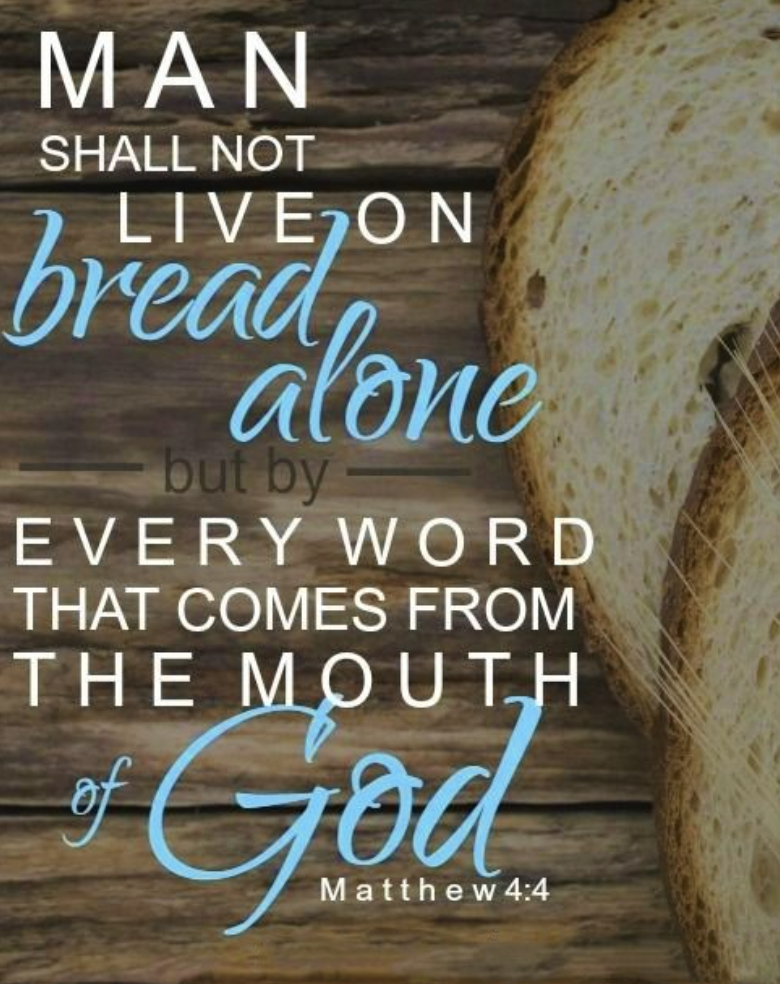
“Jesus answered, ‘It is written: man shall not live on bread alone, but on every word that comes from the the mouth of God'” (Matthew 4:4).

We all know we should read God’s word on a daily basis. We all know that one of the only ways we grow in our faith is by reading and studying God’s word daily.

As with many things, the problem is not that we don’t know these things. The problem is that it’s sometime really dry and boring. It’s difficult.

If you’ve been there before, you are not alone.

The Bible is a collection of many different kinds of writings. Some of it is prose, some narrative. Some are poetry, and some are parables. Even though the Bible is a collection of different kinds of writings from multiple human authors, every single passage of the Bible share one common reality: Every single passage of the Bible is talking about God.

Alistair Begg says, “God is the hero of the story and the theme of the book, and so the first question we ask of every passage ought to be this: what does this tell me of God?”

There are multiple plans that will help you read and study the Bible online. I have referred you multiple times to http://www.bible.com. There are fantastic resources to help you keep track of your daily reading.

As you are going through your daily readings, the question you should be asking is, “What is God trying to teach me about who he is through this text?”

Try it. Read the Bible through that lens.

I keep a daily journal of my prayers and readings. Journaling helps me process what I am reading. I encourage you to try it.

The main thing is that you keep at it.

We do not live on bread alone, but on every word that comes from the mouth of God.

When You Pray…

“And when you pray….But when you pray….And when you pray….” (Matthew 6:5, 6, 7).

Three verses in a row, Jesus tells his followers, “When you pray.”

Notice Jesus didn’t say “If” you pray. Prayer for disciples is assumed. If you are a disciple, you are one who prays.

These verses in Matthew introduce the Lord’s Prayer.

When we pray we typically pray by listing a laundry list of stuff we want God to do for us. That’s okay. God wants to know what is on our hearts. He invites us to pray always and to pray for all things.

However, where we get into trouble is that we confuse praying to God about all things with God answering all our prayers.

If God were to answer all our prayers in the way we wanted them to be answered, who is God? What is God? If praying meant that God has to answer our prayers in the way we want them answered, we are god. Our will rules. That’s absurd!

R. C. Sproul says, “The real prayer of faith is the prayer that trusts God no matter whether the answer is yes or no.”

When R. C. Sproul talks about prayer here, “prayer” has two reference points:

  • It can mean one who prays, pray-er
  • It can mean the words we utter in prayer

Either way, the prayer of faith trusts God wants to hear what is on hearts, and trusts that God’s will is best.

So, pray. Let God know what’s on your heart. Pray for all things. If you’re thinking about it, pray about it.

And, as you pray, trust God. Trust that God knows best and God wants what is best for you.

If you are a disciple, you pray!