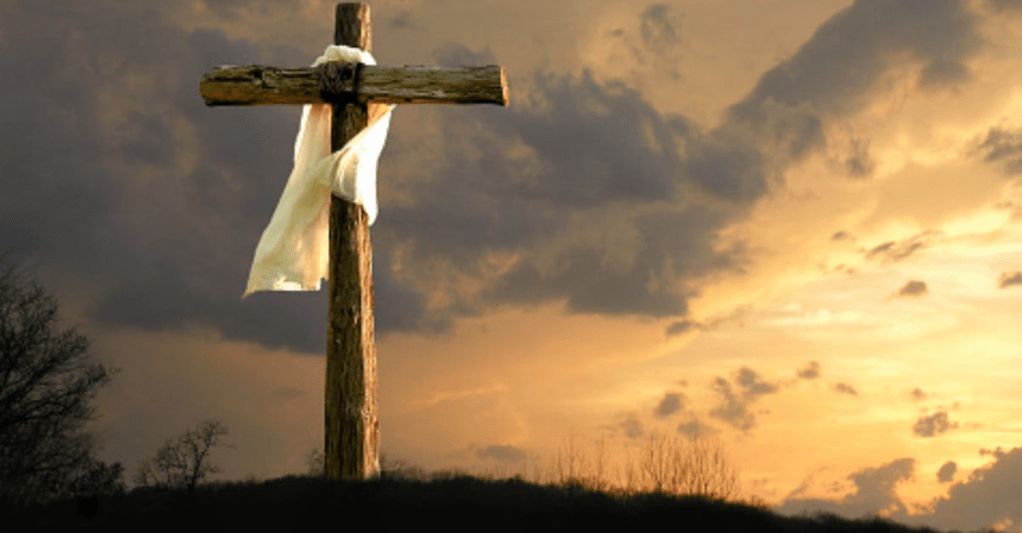
Sin, the Cross, Jesus

“But we proclaim Christ crucified, a stumbling block to the Jews and foolishness to Gentiles, but to those who are the called, both Jews and Greeks, Christ the power of God and the wisdom of God” (1 Corinthians 1:23-24).

Why would the cross of Jesus Christ be a stumbling block or foolishness? Why would anyone reject the amazing gift of eternal life God offers through his Son Jesus Christ? Why would anyone ever say no to Jesus?

Paul Washer says, “The cross is unpopular because it tells us we are wrong.”

I think he’s on to something. The reason why our culture rejects the cross, and the reason why some in the church reject the message of the cross is because it tells us we are sinners in need of a Savior. People say the cross is so negative. Focus on the good. People are good. Help them to find the good that is in them.

That is the furthest thing from what the scriptures tell us.

  • “For all have sinned and fall short of the glory of God” (Romans 3:23)
  • “The wages of sin is death” (Romans 6:23)

If you ask the normal Jane and John Doe on the street, everyone claims that they are good people. They may not be perfect but they are good people. Have ever noticed that in our world, apparently, everyone goes to heaven. It doesn’t matter what kind of life they lead. When they die people say, “Joe’s up in heaven now watching over us.” That’s why our world says people are in heaven watching over us when they die. I have never heard anyone say that someone might not be in heaven. This belief and assertion has nothing to do with whether someone believes in Jesus or not. Apparently, everyone goes to heaven and gets their wings when they die.

That is not what the Bible tells us. The Bible is crystal clear:

  • “I am the way, the truth, and the life. No one comes to the Father except through me” (John 14:6)
  • “There is salvation in no one else, for there is no other name under heaven given among mortals by which we must be saved” (Acts 4:12)
  • “For the wages of sin is death, but the free gift of God is eternal life in Christ Jesus our Lord” (Romans 6:23)

What our world refuses to hear is that we are sinners in need of a Savior. And yet that confession and admission is the entry point to the greatest grace offered to human kind. For those who have received Jesus as Lord and Savior, the sacrifice of Jesus on the cross is “the power and the wisdom of God.”

Believe in the good news. God is Savior and Lord. Jesus died for sinners and rose again from the dead that all who believe in him might have life eternal. 

“For God so loved the world that he gave his only Son, so that whosoever should believe in him will not perish but have everlasting life” (John 3:16).

Provoke One Another! I mean it!

“And let us consider how to provoke one another to love and good deeds, not neglecting to meet together, as is the habit of some, but encouraging one another, and all the more as you see the Day approaching” (Hebrews 10:24-25).

Provoke one another? 

Provoke is not a nice word. To provoke means to chide, press, stir someone up to react negatively and strongly. 

The Greek word literally means to jab or cut someone so they “must” respond. 

The writer of Hebrews exhorts the believers to provoke one another to love and good deeds, and not to neglect meeting together (worship). What an interesting combination. 

Why would the writer use this word?

I think it might have something to do with the fact that left to ourselves, we choose self-interest and that which is easy. Loving, doing good, and being committed to worship – none of these things are easy. These take commitment and intentionality. Therefore, we are encouraged to provoke one another to react in a way where we cannot help but love, do good, and gather.

I recently came across a study by the Barna group that says that one in three practicing Christians have stopped worshiping during Covid-19. 

I encourage, provoke, press, stir you up to react and respond so that you commit to worship. Because if you are not worshiping, you are not growing, your are not maturing, you are not thriving. Just because you worship doesn’t necessarily mean you are growing, maturing, and thriving. But if you are not worshiping, it makes growing, maturing, and thriving impossible. 

Jesus himself declared, “For where two or three are gathered in my name, I am there among them” (Matthew 18:20).

Worship is not about meeting and seeing one another – while that is something I really miss about our online worship right now – but it is about encountering the living God. Jesus promises to be present with us in a real way to encounter us when we gather for worship. And it is we who need this so desperately. We need to be reminded of who God is – sovereign, good, loving, kind, forgiving, patient, holy, awesome – so we get a clear picture of who we are. 

It is easy to let worship slip by. Particularly when it takes intentionality to log on and be mindful about worshiping. But I want to encourage, urge, provoke you to stay committed to worship because I love you and because I want you to thrive. And part of what it means to be thriving is to be committed to and being intentional about worship. 

Thank you for your continued commitment to be God’s people through the Little Church and Lakewoodgrace. I thank God for you. 

See you Sunday at worship!

Posture of Prayer

Screen Shot 2020-08-17 at 8.59.12 PM.png

“The LORD struck the child that Uriah’s wife bore to David, and it became very ill. David therefore pleaded with God for the child; David fasted, and went in and lay all night on the ground. The elders of his house stood beside him, urging him to rise from the ground; but he would not, nor did he eat food with them. On the seventh day the child died. And the servants of David were afraid to tell him that the child was dead; for they said, ‘While the child was alive, we spoke to him, and he did not listen to us; how then can we tell him the child is dead? He may do himself some harm.’ But when David saw that his servants were whispering together, he perceived that the child was dead; and David said to his servants, ‘Is the child dead?’ They said, ‘He is dead.’

Then David rose from the ground, washed, anointed himself, and changed his clothes. He went into the house of the LORD, and worshipped”  (2 Samuel 12:15b-20).

This is the account of the child born to Bathsheba and David after David took advantage of Bathsheba. After all the prayer, fasting for a week, and groveling on the ground pleading with God for the life of the child, when the child died, David worshiped.

Isn’t that odd?

In this pericope, we come to see the nature of prayer. Prayer is not about having our way, but surrendering and submitting to the sovereign will of God.

More than ever our world needs the prayers of God’s people. The prayers of the faithful for our country, our cities, and our churches are more vital than ever before. But praying is not about demanding God to heed our wishes and prayers. Prayer is letting God know what our desires are but ultimately submitting and surrendering to God and God’s will.

The reason why David worshiped when the child died is because God made his will crystal clear. David worshiped because God had answered his prayer!

Pray, church. Pray! Let God know what is in our hearts and what we would like to see happen in the world. Then surrender and submit to God’s will and God’s sovereignty, and worship. God is God. We are not.

God loves to hear and answer our prayers. God always answers our prayers. God may not answer our prayers the way we want them answered, but God always answers our prayers according to his sovereign will. And because God is a good and loving God, we worship!

That is the posture of prayer.