The Horn of Salvation

“The LORD is my rock, my fortress and my deliverer; my God is my rock, in whom I take refuge, my shield and the horn of my salvation, my stronghold” (Psalm 18:2).
The LORD is:

  • My rock
  • My fortress
  • My deliverer
  • My refuge
  • My shield
  • My horn of my salvation
  • My stronghold

What does “the horn of my salvation” mean?

To help us understand this Old Testament phrase, it is helpful to look at the usage of “horn” in Old Testament sacrifices.

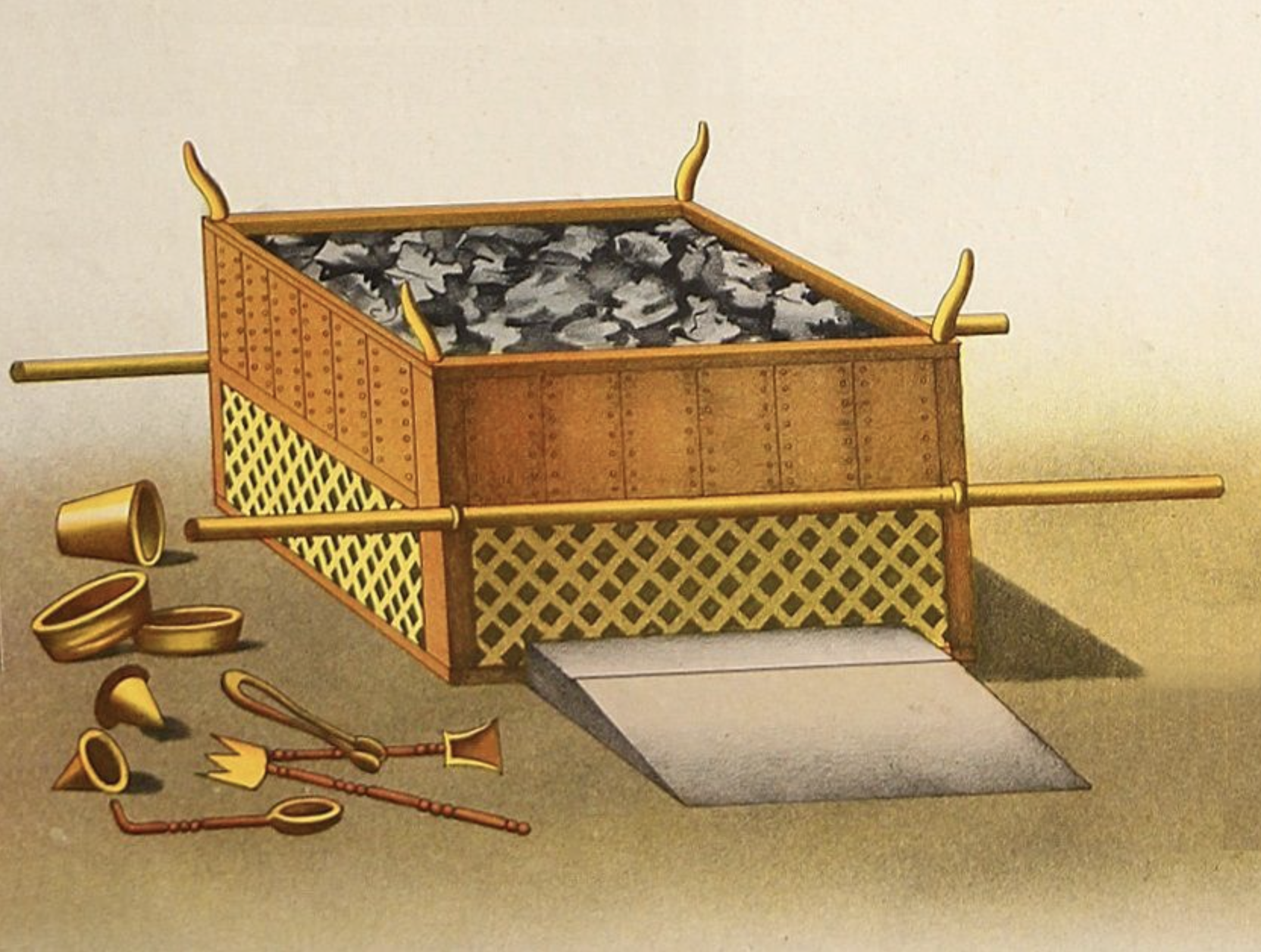
In Exodus 27:2, we are told, “Make a horn at each of the four corners, so that the horns and the altar are of one piece, and overlay the altar with bronze.”

The horns were placed on the four corners of the altar to represent God’s strength to save. The brass overlay was required so that the horn could withstand the fire of the burnt sacrifices while supporting the altar.

When the psalmist says that God is the horn of salvation, the psalmist tells us that God is the one who is able to support the sacrifice that atones for our sin, and that God is the one who is able to withstand the fires that makes the sacrifice of Jesus effective.

God is our rock, fortress, deliverer, refuge, shield, the horn of our salvation, and our stronghold. God is all that!!!

Here’s what this means for us at a practical level. God being our rock, fortress, deliverer, refuge, shield, horn, and stronghold does not mean Christ-followers are shielded from the trials and tribulations of life. Instead, it means that the trials and tribulations cannot steal from Christ-followers the joy and the peace of all that God offers us in his Son, Jesus Christ.

Suffering, pain, trials, and tribulations do not cancel out God’s salvation, peace, and joy. The beauty of the salvation, peace, and joy that God offers us through Jesus means that no amount of suffering can cancel out joy.

That’s the reason why we can face death, disease, loss, and storms of this life and still have peace. The devastation and the loss is still there. It still stings. But it cannot steal joy and peace.

That is good news!
Fear of God is the Death of Every Other Fear

“When I am afraid, I will trust in you” (Psalm 56:3).

The fear of death is one of the most common fears. There were a couple of times where I thought I might die.

  • The first time was when I was regularly flying out to Uganda, Africa. There was a time period when there had been multiple killings and muggings of tourists on the road from the airport to the capital city of Kampala. American tourists and visitors were warned by the US to not take cabs or rides with people they didn’t know.

    I flew out and got onto the hotel shuttle bus. Instead of taking me to the hotel, the driver took me to a darkened field where three other Ugandans got on the bus. I thought to myself, “Well, this is it. If I’m going down, I’m not going down without a fight.”

    They ended up being workers at the hotel and all of us and the bus made it safely back to the hotel. But for a moment there, I really thought this was it.
  • The second time was when the heart surgeon told me and Helen, “One in ten who have the procedure you are about to have die in the US. So, get your papers in order. Meet with a lawyer. Have a will.”

Both times, what surprised me was the lack of fear. I mean, I was nervous but there was no terror. I was not worried. I knew without a shadow of doubt what would happen when I drew my last breath here on earth. Death didn’t scare me because I knew who and what awaited me on the other side of death.

Charles Spurgeon once said, “The fear of God is the death of every other fear.” And, he’s absolutely right.

That we go through harrowing times? That’s normal.

That we face really difficult times? Nothing strange about that.

That we all die? That’s life.

And through it all, God is with us. God is our Father. God is our Savior.

There is never a there where God is not there.

Love and Hate

“Let those who love the LORD hate evil” (Psalm 97:10).

Let those who love…hate.

Hmmm.

We don’t often think of these two things – love and hate – in the same sentence. For us, we think love excludes hate. We often think that when one loves there is no room for hate. But unless love hates, it cannot be love.

Loving God does not mean loving everything. Loving God means to hate everything that is not God. Loving God means to hate the opposite of who God is. Loving God must mean hating evil because God hates evil.

It is impossible to love God and love evil.

The more we love God, the more we hate evil. A friend of God becomes the enemy of evil.

I pray that we become a people who love the LORD more and more by hating evil in us and in our world more and more.